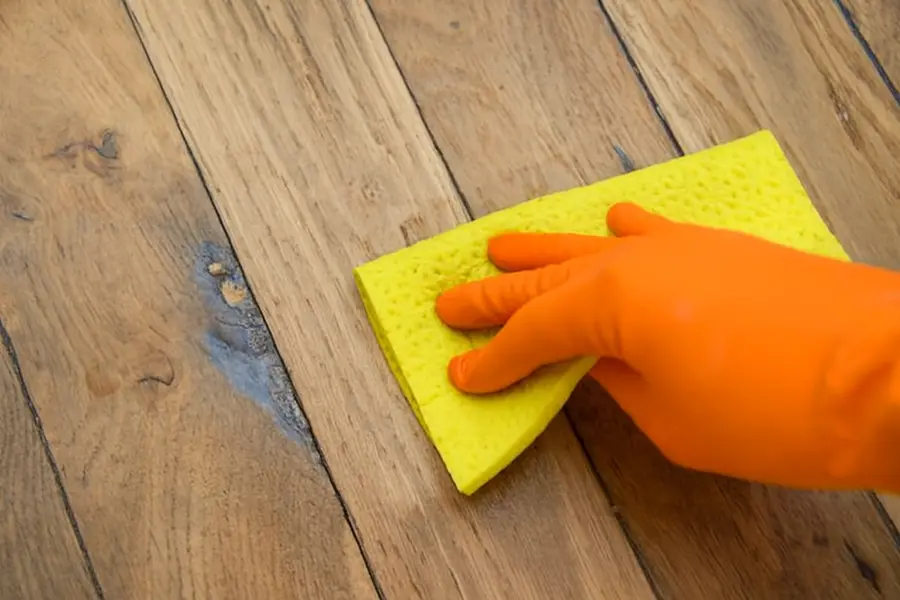

LVP, short for luxury vinyl plank flooring, is the hardwood’s alternative for wet areas. LVP floors feel exactly like wood but are man-made and 100% waterproof. Because of its low investment, long lifespan, and resistance to blemishes, homeowners prefer LVP flooring.
Discover whether LVP floors are the right choice for your apartment, villa, or condo. We’ll walk you through the benefits, costs, and challenges associated with LVP flooring.
1. What Is LVP Flooring
An acronym for Luxury Vinyl Plank, LVP is a synthetic flooring (meaning: not sourced from nature) that is printed and embossed to replicate wood floors. This flooring has multiple layers that protect it from foot traffic, rot, and bending. Its planks are long and narrow, and have V-shaped edges that can be joined during installation.
2. What Is LVP Flooring Made Of
LVP’s main ingredient is vinyl flooring. But the secret of luxury vinyl plank flooring’s strength, comfort, and style lies in its multiple layers.
- Wear Layer: This is usually a PVC film that prevents scratches, scuffs, and dents and preserves the LVP’s beauty.
- Printed Layer: A high-resolution print of wood, featuring its grain patterns and shade variations.
- Core: A unique, strong but bouncy core made of stone-plastic composite or wood and calcium carbonate.
- Underlayment: A sheet of foam or cork that improves vinyl planks’ comfort and sound absorption.
Combine these layers in this exact order, and you’ll have the answer to “what is LVP made of”.
3. Benefits Of LVP Flooring

Luxury vinyl plank flooring withstands moisture, spills, and heavy foot traffic without a squeak.
- Completely Waterproof
The best quality of this flooring is its ability to survive in damp areas like a champ. Steam, humidity, and water splatters do not even reach its non-porous surface. Therefore, LVP’s meaning is often synonymous with a waterproof flooring solution. - Compatible With Radiant Heating
You can lay luxury vinyl planks over underfloor heating without stressing about it shrinking or catching fire. The LVP allows efficient heating and keeps the surface warm and snug. - Feels Soft & Quiet
LVP offers durability without lacking comfort. Luxury vinyl planks feel softer underfoot than stone and SPC floors. LVP flooring can be a wise investment for busy homes and offices, as it reduces muscle fatigue when standing for long periods. - Best For Pets & Kids
Luxury vinyl planks are perfectly able to handle daily messes that pets and children create. LVP flooring resists scuffs from sharp animal nails and does not trap fur or harbor odor. It can handle liquid spills from pet bowls or juices and is effortless to clean.
4. Weaknesses Of LVP Flooring
If you are wondering, “What is LVP flooring drawback?”, let this section answer this:
- May Become Uneven Over Time
If installed as a floating surface, luxury vinyl planks can dip in various places. But with correct installation technique and proper subfloor preparation, this drawback can be avoided. - Not Environmentally Friendly
Made from petroleum, this flooring does not decay naturally and remains on the earth for centuries. Some LVP types may have toxic additives and dyes that can negatively impact your room’s air quality. - Irreparable Damage
If major dents appear, you cannot sand the luxury vinyl planks to smooth them out. As LVP has a layered construction, unlike wood, which is solid throughout, and refinishing it will just expose the layer underneath.
5. How Is LVP Flooring Installed

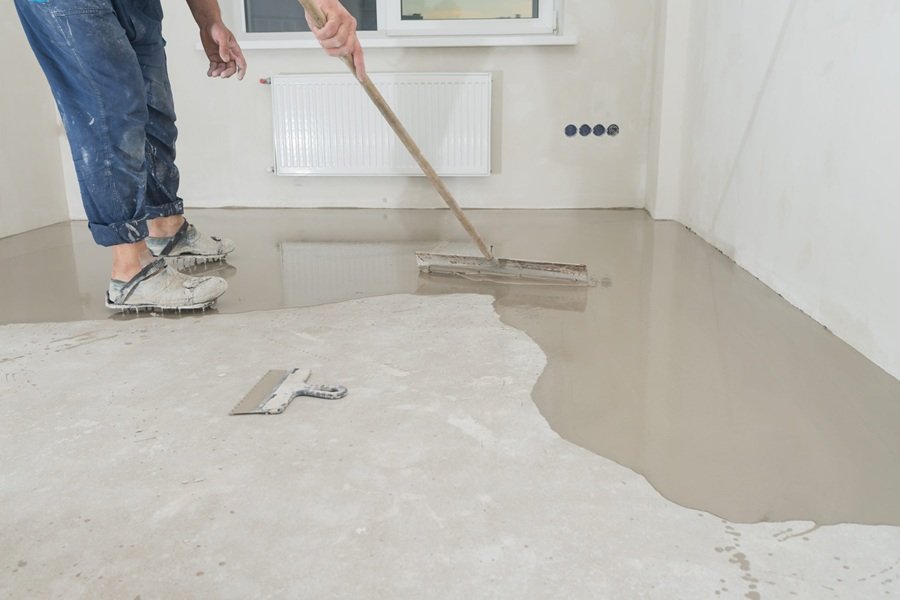
Its DIY-friendly installation is one of the biggest reasons why smart property owners prefer LVP flooring. There is only one difficult part: intensive subfloor preparation. First, LVP is stored at room temperature for 24 hours while the concrete floor is thoroughly cleaned of any dirt or moisture. Next, the placement of the LVP planks is planned, and they are put in their right positions. Their edges (tongue-and-groove ones) are then interconnected. Finally, the extra plank length is cut, and the flooring’s debris is wiped for a flawless finish.
6. A Comparison Of LVP With Other Floors
We have compared luxury vinyl planks with the most popular residential flooring types to discover the best option for your home.
- LVP vs Hardwood: LVP is more moisture-resistant and requires less upkeep than hardwood planks, but it cannot be refinished like the latter.
- LVP vs Laminate: LVP offers more scratch resistance and feels more comfortable than laminate, whereas laminate flooring dubai offers a more natural wood finish
- LVP vs SPC: Luxury vinyl planks are softer and more cost-effective than SPC, but are less durable and dimensionally stable.
7. Luxury Vinyl Planks Maintenance & Care
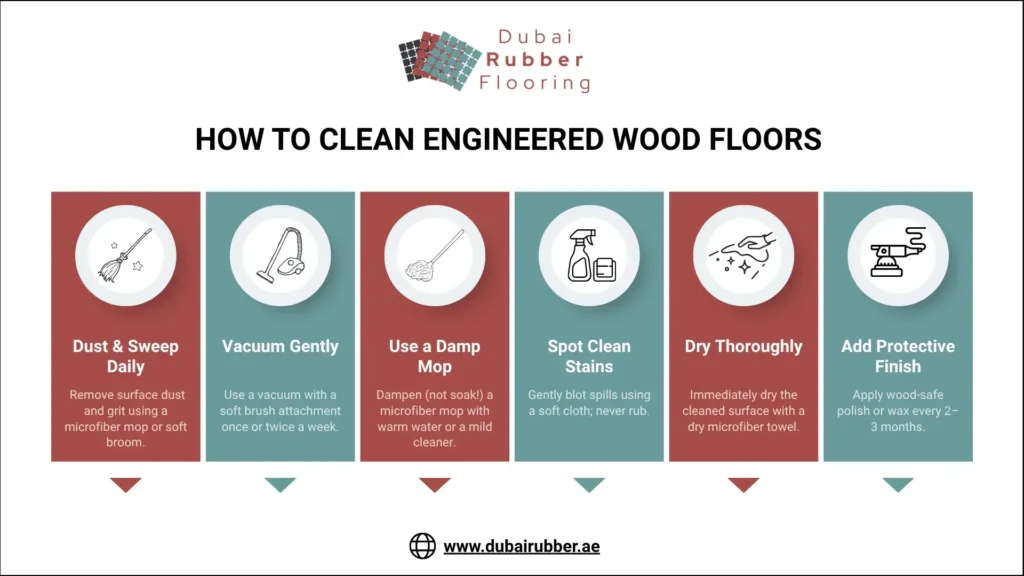
If you are not a fan of labor-intensive cleaning or buying expensive floor cleaners, LVP offers the right solution for you. It needs less frequent care and simple cleaning agents, like dish soap and vinegar, to look its best.
Daily & Preventative Care Tips
- Sweeping (with a soft-bristled brush) or vacuuming luxury vinyl planks daily is usually sufficient to remove dirt buildup.
- Mopping the LVP planks weekly, more frequently in high-traffic homes, would keep the flooring in a pristine condition.
- Place mats in busy areas and use felt pads for furniture legs to avoid abrasion and dents on LVP floors.
Best Cleaning Solutions For LVP Floors

- Diluted Vinegar Mixture: A cup of vinegar mixed in a gallon of water is the best natural cleaner for luxury vinyl plank flooring.
- Baking Soda Paste: Ideal for cleaning tough LVP stains.
- pH Neutral Commercial Cleaner: Choose LVP specialized flooring detergents for the best results.
What Destroys Luxury Vinyl Plank Flooring
- Harsh cleaning solutions that contain bleach or ammonia would weaken the wear layer of LVP floors.
- Over-wetting luxury vinyl planks by using a soaking mop can lead to warping.
8. Best Areas For Using LVP Flooring
As luxury vinyl planks can withstand both moisture & heat, they are suitable for almost every room.
- Living Rooms: Luxury vinyl planks withstand light to moderate foot traffic.
- Kitchens: LVP can handle food splashes and grease and allow for low-effort cleaning.
- Bathrooms: These planks offer an excellent alternative to bathroom tiles and prevent mold in steamy showers.
- Basements: LVP can be installed over the concrete basement floors and won’t bend or swell in these damp areas.
Areas To Avoid:
- Patios: The planks cannot bear regular sun exposure and will lose their vibrant color.
- Garages: LVP floors are not designed to bear heavy vehicular loads and would make an unstable foundation.
9. Is LVP Flooring A Wise Choice For Dubai Homes

When picking out flooring for your house in Dubai, you need to consider the local climate and your lifestyle. For the warm & humid climate of Dubai, LVP can be a great option for its “heat-resistant” and “waterproof” nature. It is a practical pick for homes with children and pets, as LVP deals with common problems like spills and scratches very effectively. Luxury vinyl planks are easy to install without removing the old floors, making them perfect for home renovations.
Final Thoughts:
LVP flooring is built for Dubai’s lifestyle and is a long-term investment. From LVP flooring’s meaning to its pros & cons, maintenance, and installation, we discussed it all. Hopefully, this helped you decide whether LVP floors are a smart choice for your house. To buy LVP flooring in the trendiest styles, visit Dubai Rubber, a reputed supplier and installer.