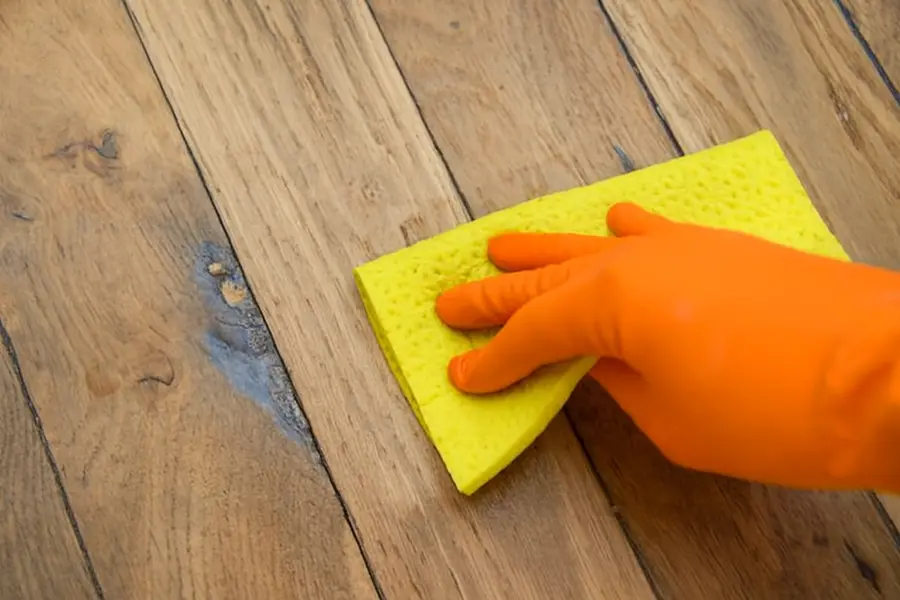

Compare engineered hardwood vs laminate flooring if you’re looking for an affordable option that looks like solid wood. Both of these floor coverings are economical alternatives to pure hardwood. However, they come with specific features and properties, such as resistance against scratches, dents, water soaking, and fading.
Their features make a significant difference when comparing laminate vs engineered hardwood. You must consider specific needs, including lifestyle, interior decor, lifespan, and affordability. To help you make an informed decision, Dubai Rubber has conducted a real-time comparison between laminate flooring and engineered wood flooring.
What Is Laminate Flooring?
The laminate flooring is made with compressed wood fibers and has a high-density core of fiberboard. With its synthetic nature and multiple layers, it provides excellent resistance against daily wear & tear. It mimics natural materials like wood, stone, and marble, making it suitable for multiple themes. And yes, that’s the reason behind its wide popularity.
What Is Engineered Hardwood Flooring?
A multilayered wood flooring with a core of high-density fiberboard (HDF) or plywood. It features a thin top veneer of real hardwood species, including oak, maple, walnut, and cherry. That’s why it looks like natural wood flooring and is considered a budget-friendly alternative. With its top veneer and balancing base layer, it protects against damage from humidity and temperature.
Laminate Flooring vs Engineered Hardwood | A 10 Factors-Based Comparison
For an expert engineered wood flooring vs laminate, we are going to talk about some ideal flooring properties and compare them. We’ll see how each flooring performs on these factors and can be our ideal floor covering.
- Flooring Appearance
- Design Versatility
- Water Resistance
- Maintenance Requirements
- Expected Lifespan
- Underfoot Comfort
- Ease Of Installation
- Suitable Fitting Areas
- Pet Friendliness
- Average Cost
1- Appearance
Engineered hardwood offers a rich appearance with its top layer of real wood. It features knot patterns, mineral streaks, and grain variations for an authentic look. It adds depth and creates a sense of movement with its versatile finishes, including wire-brushed, hand-scraped, smoked, and lacquer. It feels premium and makes your space look luxurious.
On the other hand, laminate flooring is designed to provide a visually consistent appearance. It has abstract patterns and photographic layers to mimic natural materials like wood, marble, and stone. It has matching tones and repetitive grain textures. You can get in embossed, high-gloss, matte, and satin finishes.
| Engineered Hardwood | Rich appearance with top real-wood veneer |
| Laminate Flooring | Abstract patterns and repetitive grain textures |
2- Design Versatility
When it comes to engineered hardwood vs laminate, design versatility matters. The engineered wood is available in tiles and plank formats, from extra-wide boards to narrow strips. Available in a range of wood species, such as maple, hickory, walnut, and oak. You have surface treatment options, including fuming, saw-marking, and reactive staining. Popular patterns include chevron and herringbone.
It has hundreds of terrazzo tiles to abstract, and concrete textures for design versatility. With availability in bold to neutral colors, it creates high-definition prints. It shows compatibility with rustic, coastal, minimalist, and even industrial decor.
| Engineered Hardwood | Available in a range of wood species for specific decor types |
| Laminate Flooring | High definition prints and wood-mimicking textures |
3- Water Resistance
With a top veneer of real wood, the engineered flooring offers moderate resistance against moisture. However, the multi-layer core helps reduce expansion and warping with water damage. It must have proper sealing edges, and you should avoid installing it in high-wet areas like kitchens and bathrooms.
In contrast, the laminate tiles use wax-sealed joints and hydrophobic cores for great water-resistance. It can withstand damp mopping for the short term and performs better than engineered wood flooring here. It makes them suitable for kitchens, hallways, and living rooms.
| Engineered Hardwood | Moderate water resistance properties |
| Laminate Flooring | Superior moisture-resistant features |
4- Effortless Maintenance
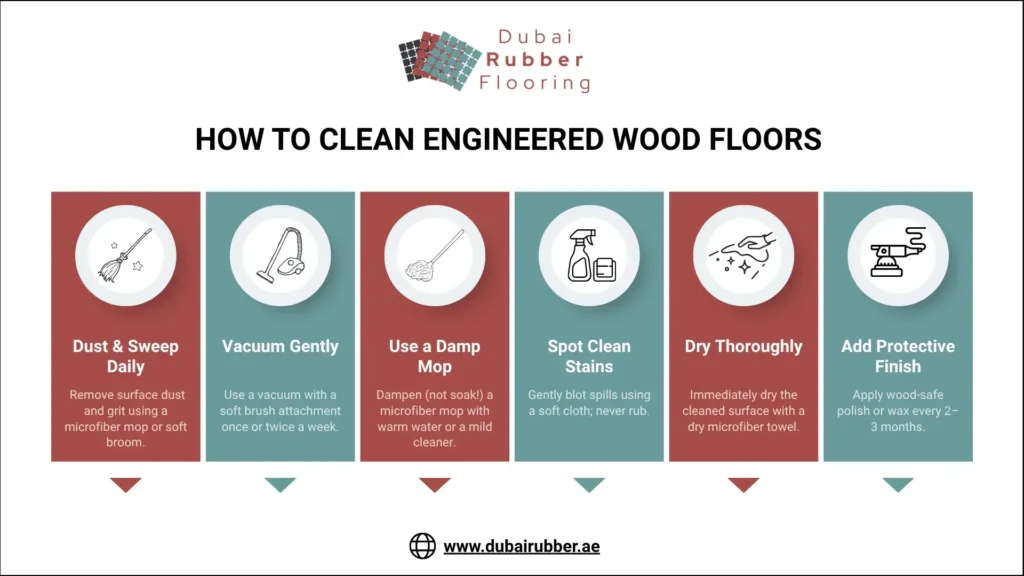
The laminate flooring is easier to maintain because it prevents dust, stains, and spills with its melamine wear layer. You can go for damp mopping and vacuuming with a low-head vacuum cleaner. It’s a suitable choice for hospital flooring, restaurant, and cafe flooring where high traffic is usual. That’s due to its effortless cleaning and maintenance.
You must go for more attentive maintenance for engineered wood tiles and planks due to their real-wood veneer. It can easily react to moisture, harsh chemicals, or abrasion. You must use pH-neutral cleaners, quickly wipe spills, and avoid staining.
| Engineered Hardwood | Slightly complex cleaning and maintenance |
| Laminate Flooring | Effortless cleaning with dirt-repellent features |
5- Expected Lifespan
The engineered wood flooring offers a longer lifespan because of its layered core and multiple refinishing options. It can last for 15 to 20 years in residential settings. However, installation in high-traffic or commercial areas might influence the lifespan. Interestingly, its aging develops patina that adds depth and character.
On the other hand, laminate flooring lasts for at least 10 – 15 years on average. It depends on the thickness of their wear layers and regular maintenance. It’s true that the overall laminate lifespan depends on your lifestyle.
| Engineered Hardwood | Average durability of 15 to 20 years |
| Laminate Flooring | Average lifespan of 10 to 15 years |
6- Underfoot Comfort
Laminate vs engineered wood flooring is incomplete without discussing the underfoot comfort factor. We found that laminate offers firmer underfoot feedback due to its non-compressible wear layer and rigid HDF core. Modern laminate construction involves cork and foam underlayments for cushioning, but it still feels harder and doesn’t match the natural warmth of hardwood flooring.
In contrast, engineered wood offers a softer and warmer feel underfoot. Its veneer offers thermal retention and reduces strain on muscles and joints. It evenly distributes the pressure and stays comfortable in cold and summer seasons.
| Engineered Hardwood | Warmer and softer feel underfoot |
| Laminate Flooring | Firmer and sharper feel underfoot |
7- Ease Of Installation
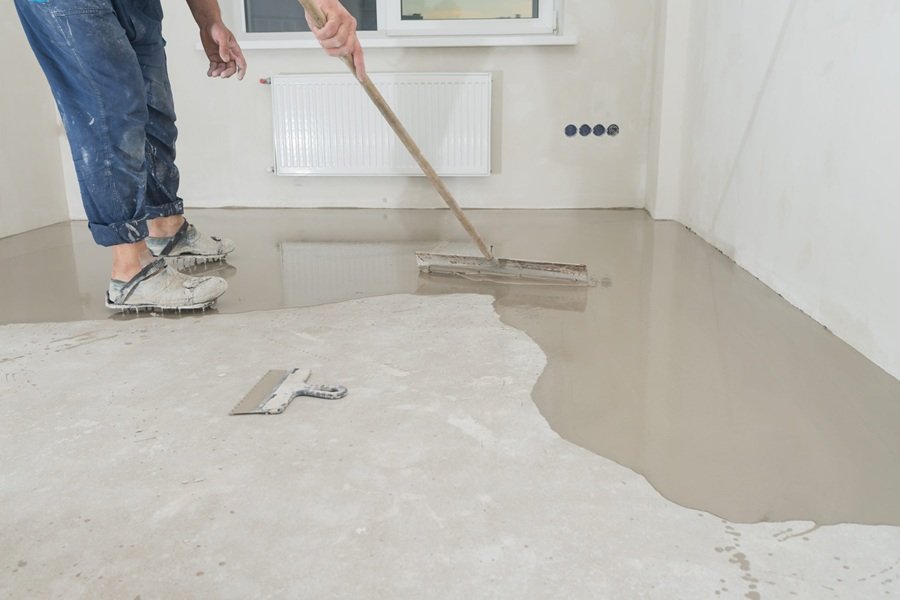
Engineered floor coverings can be installed with multiple methods, including glue-down, loose lay, nail-down, and floating. It features click lock profiles or tongue-and-groove for simple alignment. But you have to carefully choose the underlayments and opt for the right installation method, depending on the subfloor condition. Its installation is moderately complex.
On the other hand, laminate flooring offers a click-lock floating system, which makes it highly DIY-friendly for installation. There is no need for nails or adhesives, while boards can be cut or trimmed with basic saws. It requires rare acclimation and a quick plank snap together.
| Engineered Hardwood | Requires professional assistance |
| Laminate Flooring | DIY friendly installation methods |
8- Suitable Fitting Areas
The engineered wood flooring is suitable for bedrooms, living rooms, dining areas, home offices, and passages. That’s because they efficiently respond to moisture and temperature fluctuations in routine and offer stable performance.
On the other hand, laminate tiles and planks are suitable for gym flooring, kitchens, basements, laundry rooms, kids’ rooms, retail shops, hospitals, hotels, and restaurants.
| Engineered Hardwood | High traffic areas, but less damp areas |
| Laminate Flooring | Moisture areas with high foot traffic |
9- Pet Friendliness
Engineered wood tiles and planks offer warmth under a pet’s paws, but can be scratched due to their natural wood veneer. The claw marks can be sustained if not treated early. You have to actively care for your flooring if you have engineered wood flooring installed and pets at home.
The laminate tiles do not scratch and are a better choice for living spaces with active cats and dogs. With thick wear layers, the flooring resists dents and scuff marks and prevents scratches.
| Engineered Hardwood | Can be scratched by pet claws |
| Laminate Flooring | Prevent pet claw scratches easily |
10- Average Cost
The engineered flooring comes with a high price tag due to its real wood layer and stable construction. The average cost depends on the type of species, tile and plank thickness, and finish type. It requires a bigger upfront budget but offers long-term value.
In engineered wood vs laminate flooring, we found that laminate is a budget-friendly option. That’s due to its synthetic nature and manufacturing process that involves photographic layers and HDF cores.
| Engineered Hardwood | High upfront costs due to natural material veneer |
| Laminate Flooring | Low costs due to synthetic material construction |
Factors To Consider While Selecting Any Flooring
There are several factors to consider while choosing the right flooring, especially between laminate and engineered wood. With these, you can make a quick and right decision.
- Consider the area of flooring installation and the average frequency of foot traffic to determine the flooring thickness, material, and wear-resistant properties.
- Each flooring has its own maintenance requirements, so choose one that you can handle effortlessly.
- Some flooring offers warmth underfoot, while other feels cooler or firmer. Select the flooring that suits your routine and comfort needs.
- Each flooring reacts differently to temperature and humidity, fading, and everyday scratches. Consider your area’s weather when choosing flooring accordingly.
- Comparing installation costs and long-term values can also help you select the right flooring that suits your budget.
Final Thoughts
To sum up, we conducted an in-depth research to see “Is engineered hardwood the same as laminate?”. We found that laminate has multiple layers of compressed wood fibers, while engineered hardwood tiles feature real wood veneer. They both differ in appearance, design versatility, and maintenance.
We found that laminate offers more water-resistance than engineered hardwood, and it’s also a budget-friendly option. It prevents pet claw scratches and offers ease of installation. But engineered wood tiles and planks offer long-term benefits and enhance luxury appeal. They offer underfoot comfort and last longer than laminate flooring. So, depending on budget and specific needs of style and function, you can go for any flooring type.
Frequently Asked Questions
1- Is Laminate Flooring Better Than Engineered Wood?
Laminate flooring is a better choice if you have a lower budget and need a flooring that offers low maintenance and prevents daily wear & tear. In contrast, engineered wood tiles are suitable if you prioritize the real-wood beauty, warmth, and longer lifespan.
2- Can I Install Laminate Tiles Everywhere In The House?
Laminate flooring can be installed in various areas of the home, such as bedrooms, living rooms, drawing rooms, and hallways. However, it’s not a suitable choice for high-moisture or damp areas, such as bathrooms, kitchens, basements, and laundry.
3- How To Tell If The Floor Is Laminate Or Engineered Hardwood?
You must check the texture and grain pattern for identification. The engineered hardwood tiles feature real wood grain textures and patterns with their natural wood veneer. In contrast, laminate flooring has repetitive patterns. Also, laminate sounds hollow when clicked, while engineered wood does not.
4- Is Engineered Wood More Expensive Than Laminate?
Yes, it’s an expensive choice because it features real wood veneer, which ensures a longer lifespan. In contrast, laminate is generally less costly due to its synthetic construction. The price difference primarily results from the material and finish type.