
Underlay has a great role in protecting your floors from moisture, strengthening them, and dampening footstep noise. It boosts underfoot comfort and reduces overall strain on muscles and joints, especially in the case of vinyl and LVT. However, choosing the best underlay for LVT and vinyl flooring Dubai is the most important when you step into DIY installation.
Whether you are upgrading bedrooms, living rooms, hallways, kitchens, bathrooms, or offices, installing underlays directly influences the warmth, stability, and flooring durability. Keeping in view, Dubai Rubber decided to share some of the best LVT and vinyl floor underlayment options. We’ll also talk about the selection factors and DIY installation. Let’s get started.
Top 7 Vinyl & LVT Flooring Underlays
We compiled various underlay types and found some amazing options after critical refining. They work best with luxury vinyl tiles, planks, and sheets. In fact, they are suitable for different subfloors, easy to install, and match your flooring needs.
- Cork Underlay
- Rubber Underlay
- Foam Underlay
- Felt Underlay
- Acoustic Underlay
- Fiberboard Underlay
- PVC Underlay
1. Cork Underlay

The cord underlay is most commonly used for Vinyl and LVT Flooring Dubai. It is an eco-friendly option that is made from compressed cork granules. It absorbs sound from footsteps for a quieter environment and offers great underfoot warmth. It works well with timber and concrete subfloors and can be quickly installed.
2. Rubber Underlay

If you’re installing vinyl or LVT in high-traffic areas, going for rubber underlay is a perfect choice. It does not deform or lose shape, even in high humidity and temperature fluctuations. It performs well in environments with 40–70% relative humidity.
Beyond underfoot comfort, it also delivers amazing acousticity with dense and recycled rubber crumb construction. Rubber EPDM flooring underlays are available in 3mm, 5mm, and 7mm thicknesses for balancing support and comfort levels.
3. Foam Underlay

The foam underlay is also prioritized like cork and rubber underlay because it provides superior cushioning, thermal insulation, and shock absorption. That’s due to PU (polyurethane) and PE (polyethylene) foam construction. The benefits of this underlay are highly valued in vinyl hospital flooring, where stability is important.
With availability in 2mm-5mm thickness, this LVT and vinyl underlay works well with dry and smooth subfloors. The closed-cell structure of the foam underlay dampens vibrations from high foot traffic and improves acoustics.
4. Felt Underlay

For all the subfloor types where extra stability and insulation are required, installing the felt underlay is essential. It is made with recycled fibers of jute, wool, and textile blends for a cushioned base. With exceptional properties, it’s a suitable underlay for vinyl flooring.
Interestingly, it covers minor subfloor flaws and does not compromise comfort, warmth, and acoustic performance. Whether you are treating apartment, office, villa, or hotel floors, it’s a budget-friendly option.
5. Acoustic Underlay

The acoustic underlays are widely prioritized for areas with high footfall and multi-storey buildings. They block the footstep noise reflection in the atmosphere and are a great companion to vinyl and LVT flooring. It’s one of the best types of underlayment that works well with wooden and concrete subfloors.
It offers easy DIY installation without disturbing the floor’s click-lock mechanism. With foam, rubber, cork, and fibre composite construction, it offers maximum durability.
6. Fiberboard Underlay

It’s the only underlay that can be used for slightly uneven subfloors, such as concrete and wooden subfloors. It is smoother than rubber underlay and is denser than foam to offer a comfortable and strong flooring base.
It is made with compressed wood fibers to retain warmth and maintain the durability of the flooring. This vinyl and LVT underlay is available in different thickness levels, such as 3mm to 5mm. By installing this, you prevent squeaks and movement of tiles and planks.
7. PVC Underlay

It is one of the moisture-resistant underlays that withstand high temperature and humidity fluctuations. It reduces footstep noise by 15–20% with its firm structure. It is thin but exceptionally durable because of its polyvinyl chloride material construction. With its smooth and professional finish and compatibility with LVT and vinyl flooring, it is a widely opted choice among homeowners.
How To Choose The Right Flooring Underlay?
A flooring underlay must protect your floor tiles and planks from moisture damage and offer comfort. Your underlay should match the subfloor requirements and your exact needs. Here are some steps that you should consider to confidently choose the right underlay.
- Keep your subfloor conditions; rough concrete floors need rubber or fiberboard underlays for maximum stability.
- Kitchens, bedrooms, bathrooms, and basements require water-resistant underlays like rubber, cork, and PVC underlays because of high humidity.
- If you need a quieter environment, go for adding acoustic underlays. They absorb noise and do not transfer sound waves.
- Some underlays offer stability with glue-down vinyl, while some offer click-lock LVT. Check your specific underlay stability with your flooring.
DIY-Friendly Process For Underlay Installation
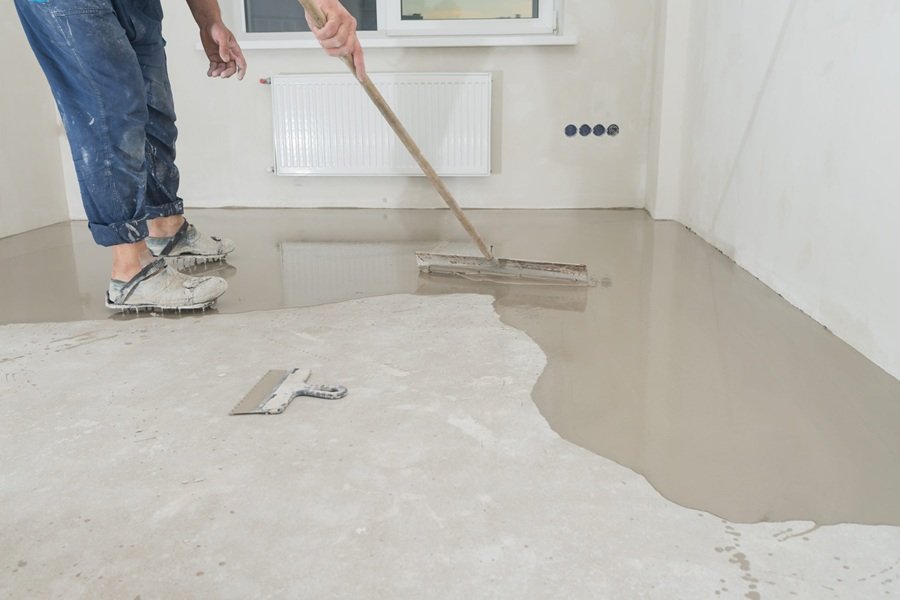
The process is simple for installing LVT and vinyl flooring underlayment. You have to start by removing dirt, grease particles, and old adhesive to fit the new underlay in a flat manner. Roll out your underlay and give time for acclimation. Keep the edges straight and start cutting around the edges, so it fits neatly.
Once it is in place, join the underlay seams for better stability and to prevent lifting. Check for raised edges or uneven spots for smooth vinyl and LVT flooring installation. After that, go for making a smooth and stable base that helps the floor last longer.
Wrapping Up!
To sum up, we shared the best underlayments for LVT & vinyl flooring in this article. Our list includes rubber, foam, cork, felt, acoustic, PVC, and fiberboard underlay. These are all suitable choices because of their compatibility with different flooring types. They offer exceptional comfort and warmth, sound reduction, moisture protection, and foot stability.
From concrete to timber subfloors, they are ideal for versatile subfloor types. Consider traffic frequency, acoustic requirements, and comfort needs to choose the right underlay. You must keep the budget in mind. Our mentioned underlays also offer quick DIY installation. For more information, contact us directly.
FAQs
1- Do I Need Underlayment For Vinyl Flooring On Concrete Bathroom?
Concrete bathroom floors naturally absorb moisture, which damages the flooring backing. Installing a proper underlay acts like a moisture barrier to create a more stable and smoother base. It enhances the overall lifespan of the flooring, maximizes cushioning, and acousticity.
2- Do Rubber Underlays Protect Flooring From Moisture?
Rubber is naturally non-absorbent, which prevents moisture due to its dense structure. The rubber underlays do not allow water vapours to travel upward and reduce the risk of bacterial growth. The thickness of the underlays also plays an ideal role in enhancing moisture-resistant properties.
3- What Is The Ideal Thickness For An LVT Flooring Underlay?
The ideal thickness for luxury vinyl tiles is 2mm to 3mm because it creates a supportive yet cushioned flooring base. It prevents joint separation and avoids flexing for a crack-free and longer lifespan. However, you can go for even more thickness levels.
4- What Is The Best Underlayment For Vinyl Flooring On Concrete?
Talking about the best underlay for vinyl floor coverings, it’s a high-density and thin underlay with DPM (Integrated Moisture Barrier). It blocks the moisture and absorbs high-frequency sound waves for maximum stability. It also provides maximum cushioning and softness.
5- Do Flooring Underlays Make The Room Warmer?
Of course, they contribute to improving warmth by creating an insulation layer between floors and the cold subfloor. Whether you have a concrete or other material base, underlays create insulation and reduce heat loss for a comfortable environment.